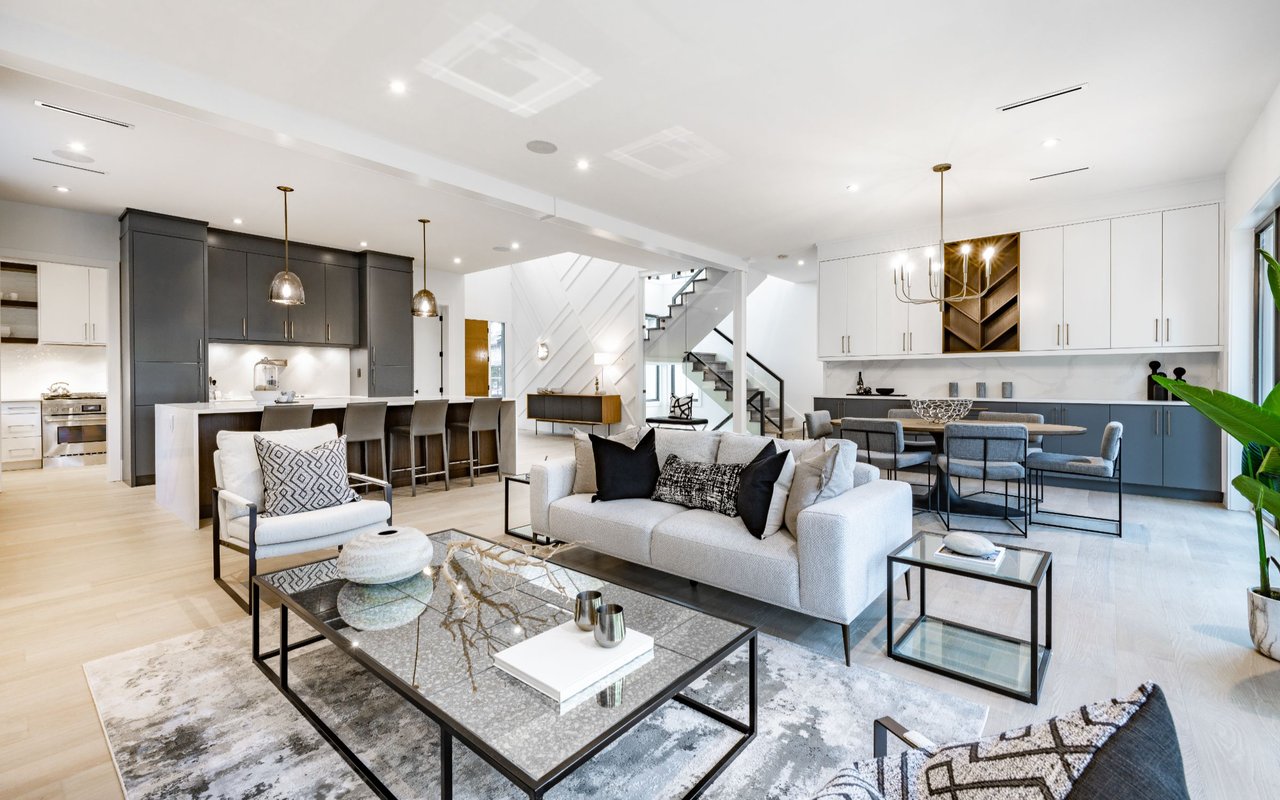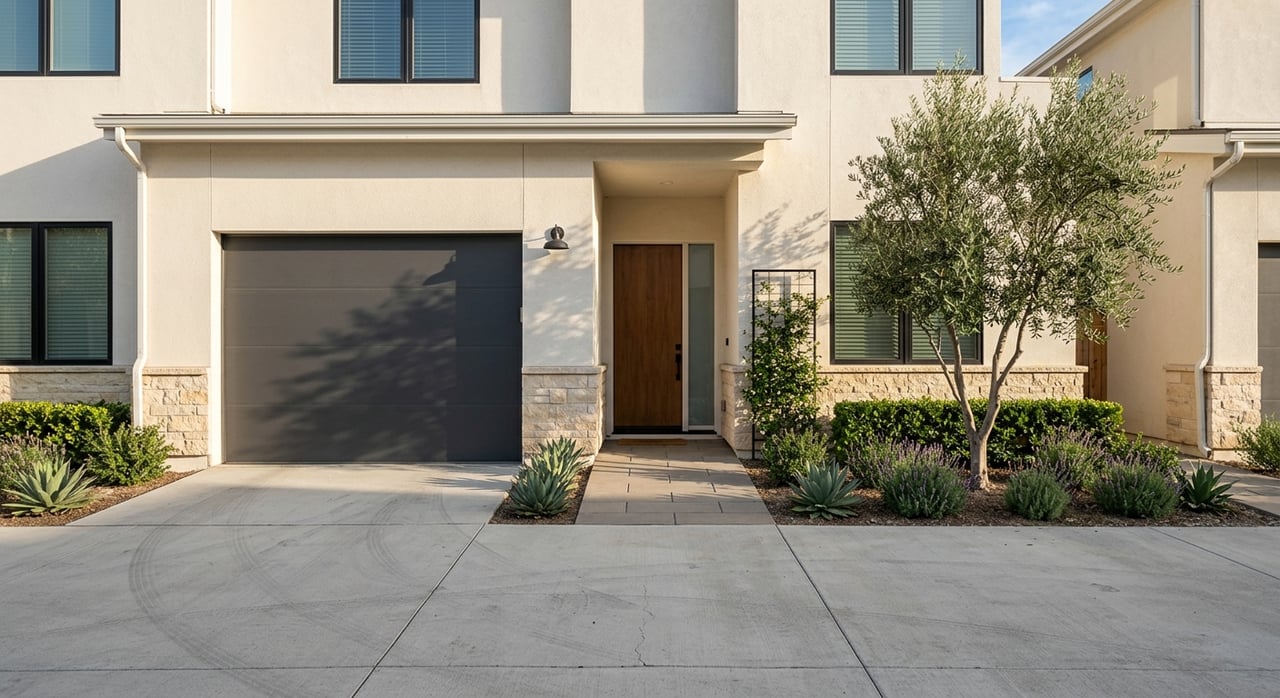
If you want Claremont’s charm without taking on the full upkeep of a detached home, a condo or townhome may be worth a serious look. For many buyers, the appeal is simple: you get a foothold in a well-known local market, closer access to the Village and transit, and less exterior maintenance to manage. In this guide, you’ll learn what attached-home living in Claremont really looks like, what the numbers suggest, and how to decide if this lifestyle fits your goals. Let’s dive in.
Why Claremont attracts attached-home buyers
Claremont offers a different feel than many nearby suburban cities. Its historic central core remains an active residential and retail district, and the city describes it as a long-standing cultural arts center. That mix gives the area a more connected, amenity-rich feel than you might expect.
The Claremont Colleges add another layer to daily life in the city. The seven institutions sit on contiguous campuses, and their arts centers host exhibitions, lectures, and performances, many of them open to the public. If you value being near culture, events, and a strong local identity, that can be a real plus.
For condo and townhome buyers, the appeal is often about proximity rather than big-city density. In Claremont, attached living is less about high-rise towers and more about being near a compact downtown, local dining, arts activity, and transit options.
Why condos and townhomes make sense here
One of the biggest reasons attached housing stands out in Claremont is location efficiency. The Village South Specific Plan, approved in 2021, covers about 24 acres immediately south of the Village and was created to guide transit-oriented mixed-use development near the historic depot transit center. That supports the idea of living closer to the places you may actually use day to day.
This matters because Claremont as a whole is not uniformly walkable. Current market data labels the city as minimally walkable, with a Walk Score of 48. In practical terms, that means your day-to-day experience can vary a lot depending on where you live.
If you buy near the Village or close to transit connections, your routine may feel more convenient than the citywide score suggests. If you buy farther out, you may still rely more heavily on driving for errands, dining, and entertainment.
Claremont market snapshot
Claremont is not a low-cost market. Recent housing data show a median sale price of $1,109,336 and an average home value of $1,028,002. Homes are taking about 35 days to sell on average, and the market is described as very competitive.
Attached homes sit at a lower price point than the broader market. Current listings show 12 condos for sale at a median listing price of $596K and 19 townhouses at $745K. For many buyers, that creates a more approachable entry point into Claremont.
That said, lower purchase price does not always mean lower total monthly cost by a wide margin. HOA dues, community rules, and the possibility of assessments can narrow the savings compared with what you might first expect.
What daily life can look like
Village access and local convenience
The Claremont Packing House describes itself as a landmark attraction in Claremont Village, with dining, live music, boutiques, wine tastings, art classes, art walks, and festivals. It also describes the Village as a historic downtown neighborhood with more than 50 boutiques and kiosks, 40 eateries and cafes, and a dozen art galleries.
If your condo or townhome is near this area, that concentration of uses can make everyday life feel easier and more enjoyable. You may have more options close to home for coffee, dining, errands, and weekend activities. That can be a major lifestyle benefit, especially if you want a more connected routine.
Arts and events
Claremont’s public art identity is not just branding. The city points to its percent-for-art program, which helps fund art exhibitions and other cultural pursuits in public spaces. That helps support the creative atmosphere many people associate with the city.
The Claremont Colleges also contribute to a steady flow of events. Their calendars include exhibitions, lectures, and performances throughout the year, with many programs open to the public. For buyers who like being near ongoing local activity, this is part of what makes Claremont feel distinct.
Transit connections
Claremont’s transit setup can be especially helpful if commuting or regional access matters to you. Metrolink’s Claremont station is on the San Bernardino Line and includes retail and dining amenities, plus free parking for passengers. It also connects to several other transportation services.
Foothill Transit serves the Claremont Transit Center with lines 188, 197, 292, 480, and 492. Line 188 lists Claremont Village and The Claremont Colleges as points of interest, while line 292 serves Claremont Village and the Claremont Farmers Market. If you want options beyond driving, that network can add real value.
Outdoor access
If you like staying active, Claremont also offers strong outdoor access. Claremont Hills Wilderness Park has grown to more than 2,000 acres and more than 20 miles of trails. That includes the well-known 5-mile Claremont Loop.
For many buyers, this helps balance the attached-home lifestyle. You may give up a large private yard, but you can still be close to meaningful outdoor space for hiking, walking, and fresh air.
Condo vs. townhome in Claremont
Both property types can work well, but they often appeal to slightly different priorities.
| Property Type | Typical Appeal | Key Considerations |
|---|---|---|
| Condo | Lower entry price, less exterior upkeep, convenient access to shared amenities | HOA dues, shared walls, community rules |
| Townhome | More space, multi-level layout, often a stronger single-family-home feel | HOA structure still matters, price may be higher than condos |
In the current Claremont listing snapshot, townhomes are priced above condos at the median. That may reflect extra space, layout differences, or community design. If your goal is the lowest entry point, condos may draw your attention first.
If you want a bit more separation and room while still avoiding the maintenance of a detached home, a townhome may feel like a better middle ground. The right choice depends on your budget, your privacy preferences, and how much community structure you are comfortable with.
HOA tradeoffs you should understand
In California, HOAs make and enforce rules for condominium and planned communities. Most owners in these communities must join the HOA and pay dues and assessments. Each HOA can have different CC&Rs and bylaws, so the details matter.
The California Department of Real Estate explains that associations are typically responsible for common-area maintenance such as landscaping, recreation facilities, parking areas, drainage gutters, and outdoor lighting. Reserve studies are used to inspect and plan for major components the association must repair or replace.
This is why HOA review is a key part of attached-home buying. Before you make an offer, it is smart to review the HOA budget, CC&Rs, reserve study, and community rules. Those documents help you understand the true cost of ownership and whether the community is a good fit for how you want to live.
Who condo or townhome living may fit best
Attached housing in Claremont can make sense for several types of buyers. If you are a first-time buyer trying to enter the market, a condo or townhome may offer a more realistic starting point than a detached home. If you are downsizing, the lower exterior maintenance may be a welcome change.
This type of property can also work well if you commute, want access to transit, or prefer being near the Village and local events. For some buyers, that convenience matters more than having a larger yard or more distance from neighbors.
On the other hand, attached living is not ideal for everyone. If you want maximum privacy, a large private yard, or minimal community governance, a detached home may be the better fit.
How to decide if it is right for you
A smart decision usually comes down to matching the property type with your lifestyle, not just your price range. Start by asking yourself how important proximity is to the Village, transit, dining, and events. Then think about how much maintenance you want to handle yourself.
Next, compare the full monthly cost, not just the purchase price. Your mortgage is only one piece of the picture. HOA dues, insurance, taxes, and any expected community costs should all be part of your decision.
Finally, look closely at the specific location within Claremont. Because the city’s walkability and convenience can be very neighborhood-specific, one condo community may feel very different from another. A step-by-step review of location, layout, HOA health, and monthly costs can help you make a more confident choice.
If you are weighing condo or townhome living in Claremont, the goal is not just to find a property that fits your budget. It is to find the right balance of lifestyle, maintenance, and long-term comfort. If you want help comparing options and making sense of the numbers, Christian Briseno can walk you through it step by step. Schedule a free consultation.
FAQs
What is the price difference between condos, townhomes, and houses in Claremont?
- Recent data show Claremont condos listed at a median of $596K and townhouses at $745K, while the broader housing market shows a median sale price of $1,109,336.
What is daily life like near Claremont Village for condo and townhome owners?
- Living near the Village can mean easier access to boutiques, eateries, cafes, galleries, live music, festivals, and the weekly farmers market, with convenience that depends heavily on the specific location.
What should you review about an HOA before buying a Claremont condo or townhome?
- You should review the HOA budget, CC&Rs, reserve study, dues, assessments, and community rules so you understand both the costs and the lifestyle expectations.
What transit options are available near attached housing in Claremont?
- Claremont has Metrolink service on the San Bernardino Line, plus connections to Foothill Transit and other local transportation services through the Claremont Transit Center.
Who is a good fit for a condo or townhome in Claremont?
- This housing type may fit first-time buyers, downsizers, commuters, and buyers who want access to the Village, the colleges, and local amenities without the upkeep of a detached yard.