Wondering what day-to-day life in Eastvale really feels like before you make a move? That is a smart question, because a city can look great on paper but live very differently once you factor in housing, errands, park access, and your weekly commute. If you are thinking about buying or selling in Eastvale, this guide will help you picture the rhythm of everyday life so you can make a more confident decision. Let’s dive in.
Eastvale at a glance
Eastvale is a compact suburban city in Riverside County with a population estimate of 70,751. The city covers 13.1 square miles and sits between I-15 and State Routes 91, 60, and 71, which shapes a lot of how people move through daily life.
Eastvale’s history also helps explain its current feel. The city describes itself as a former dairy area that has grown into a suburban community with expanding retail and planned civic development. That means you get an established residential feel with signs of continued growth around public spaces and shopping areas.
Eastvale homes and neighborhood feel
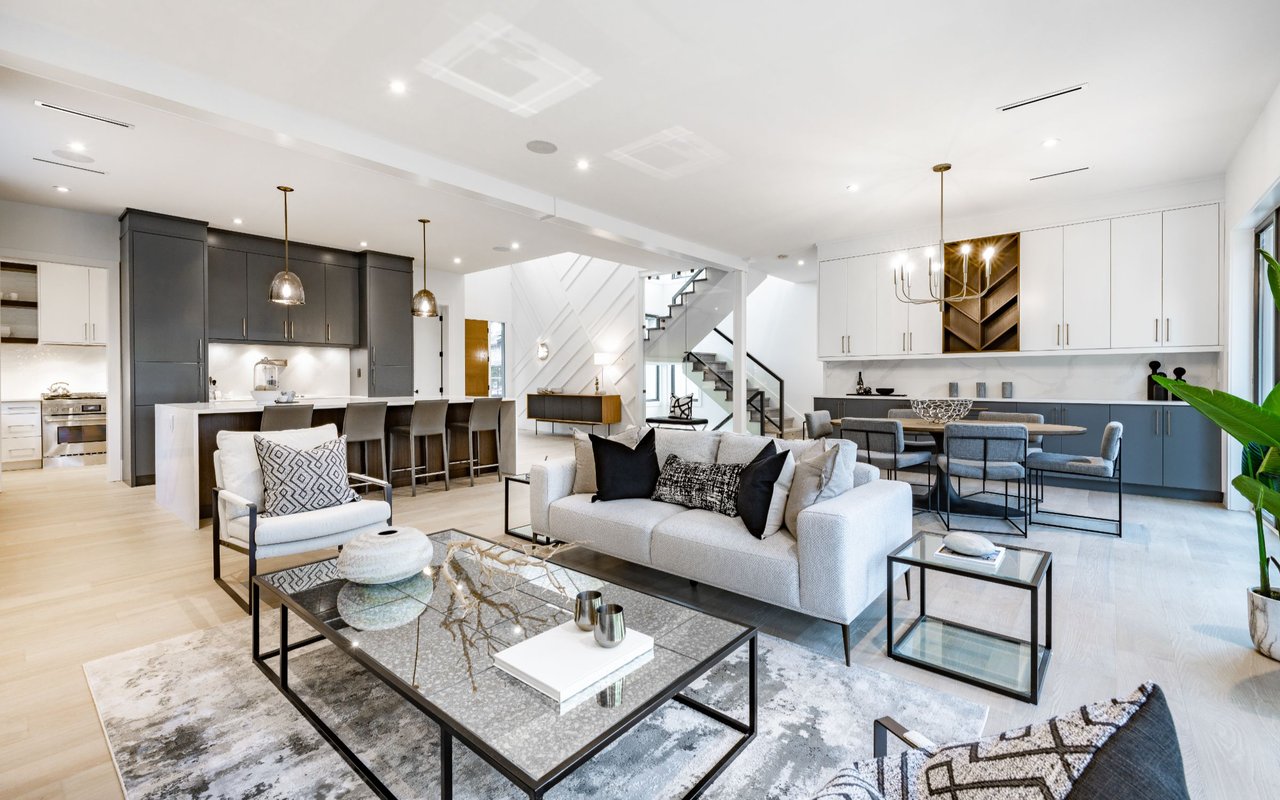
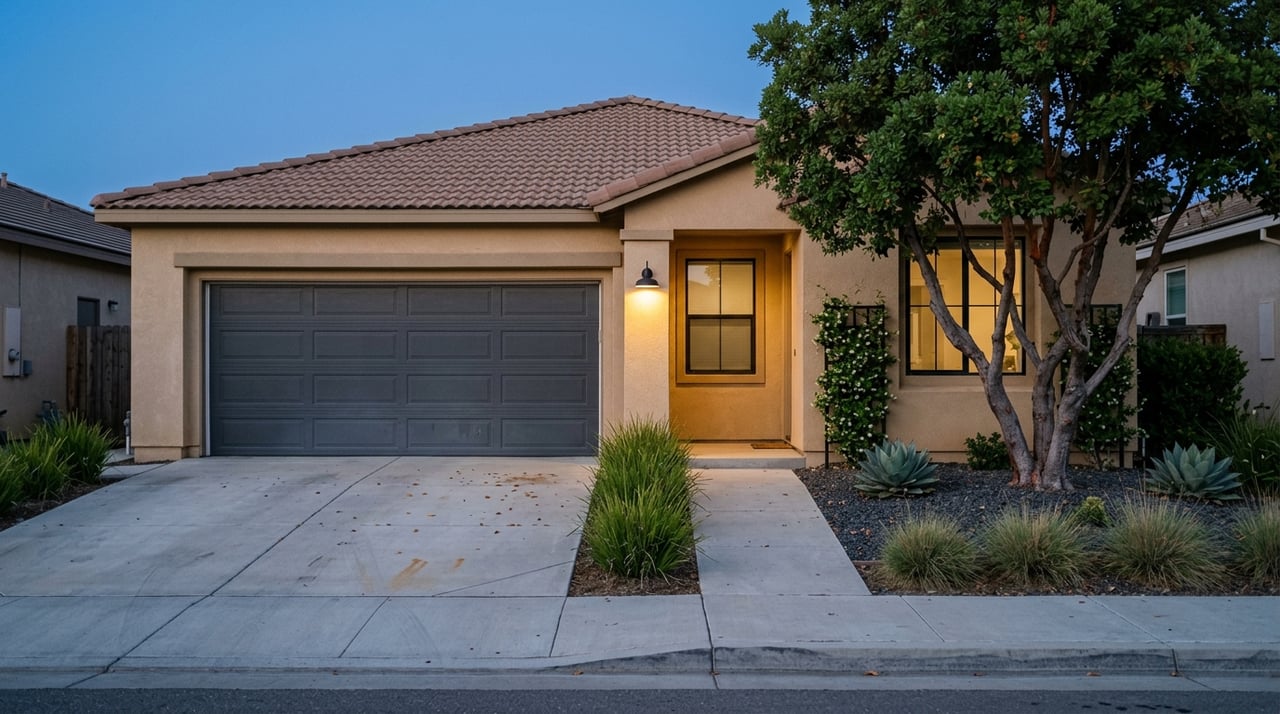
If you picture Eastvale as a suburban, mostly single-family home community, you are on the right track. The city’s planning documents say Eastvale aims to preserve its suburban character, while future development is expected to add a somewhat broader mix of housing in key areas.
That suburban feel also shows up in local housing patterns. Census QuickFacts reports a 78.0% owner-occupied housing rate, which suggests many residents are putting down roots rather than treating the city as a short-term stop. It also notes that 91.9% of residents lived in the same house one year earlier, which points to a fairly stable day-to-day community.
For buyers, price is one of the biggest lifestyle considerations in Eastvale. Census data shows a median owner-occupied home value of $831,900, while Zillow reported an average home value of $949,255 as of March 31, 2026. Realtor.com’s March 2026 market snapshot showed a median listing price near $900,000 and a median of 41 days on market.
For renters, Eastvale is not exactly a low-cost option either. Census QuickFacts lists a median gross rent of $3,252. That makes it important to think through your monthly budget carefully, whether you plan to rent first or buy right away.
What home options may look like over time
Today, Eastvale is known mainly for suburban residential neighborhoods, especially single-family homes. Over time, the city’s Leal and Downtown planning efforts are expected to bring in a wider range of housing, including detached and attached single-family homes, townhomes, and selected multifamily areas.
That matters if you want choices. A broader housing mix could create more options for first-time buyers, downsizers, or sellers who want to stay in Eastvale but shift into a different type of home later on.
Parks and recreation in Eastvale
One of the easiest ways to understand Eastvale is to look at how residents spend time close to home. The city lists 13 parks and recreation facilities and works with local service districts to provide park space and programs.
Some of the named local facilities include:
- Harada Heritage Park
- Eastvale Community Park
- McCune Family Park
- Mountainview Park
- Riverwalk Park
- Symphony Park
- Eastvale Community Center
- Harada Neighborhood Center
For many buyers, this kind of park access changes how a neighborhood feels in real life. It gives you nearby options for walks, sports, outdoor breaks, and weekend routines without needing to drive far every time you want to get out of the house.
The city also highlights free weekend events such as Eek!Vale, Miracle on Citrus Street, and Lantern Festival. That adds another layer to daily life in Eastvale, since recreation is not limited to parks alone.
Running errands and shopping locally
Eastvale does not revolve around a traditional historic downtown. Instead, everyday errands are centered more around commercial plazas and shopping centers.
One of the best-known retail hubs is Eastvale Gateway. Its directory includes major everyday businesses like Target, Vons, The Home Depot, Best Buy, Dick’s Sporting Goods, TJ Maxx, Ulta, banks, restaurants, and medical and dental services.
In practical terms, that means many routine stops can happen in one general area. Grocery runs, home improvement trips, quick shopping, and service appointments are often part of a familiar plaza-based pattern rather than a walkable main street setup.
The city also notes that Eastvale’s shopping centers are privately owned, so tenant changes are driven by landlords rather than the city. For residents, that mostly means the retail mix can evolve over time even if your basic shopping routine stays local and convenient.
A growing civic center could shape daily life
Eastvale’s future plans may also change how residents experience the city over the next several years. The Leal and Downtown civic plan includes retail and commercial space, a new City Hall, library and innovation center, police and fire facilities, public plaza space, and additional housing.
That is worth watching if you are thinking long term. A more defined civic and commercial core could make Eastvale feel more connected and give residents more reasons to stay local for services, events, and community activities.
What commuting feels like in Eastvale
Commute planning is a big part of life in Eastvale. The city’s location between I-15 and State Routes 91, 60, and 71 gives residents strong freeway access, but it also means many people think about the city through traffic patterns and corridor connections.
Census QuickFacts reports a mean travel time to work of 37.1 minutes. That number gives you a helpful baseline, though your own commute will depend heavily on where you work, what time you leave, and which freeway routes you rely on most.
In general, Eastvale residents tend to think in these route patterns:
- I-15 for north-south travel
- SR-91 for east-west movement across the Inland Empire and toward Orange County
- SR-60 for broader access toward the Los Angeles basin
- SR-71 as another important regional connector
If you are considering a move here, it helps to test the commute, not just estimate it. Drive your likely route during the times you would actually travel so you can get a more realistic picture of your weekday routine.
Eastvale is not only a bedroom community
Even though many residents commute regionally, Eastvale is not purely residential. The city says it is home to more than 50 large companies and a major Amazon distribution center.
That local employment base matters because it gives some residents the possibility of working in or near the city. For some households, that can reduce drive time and make Eastvale feel more self-contained than people might expect at first glance.
What everyday life means for buyers
If you are buying in Eastvale, the lifestyle usually comes down to balancing three things: home style, convenience, and commute. You are often choosing a suburban residential setting with strong park access and practical retail convenience, while also accepting that freeway travel may be part of your weekly rhythm.
Eastvale may feel like a fit if you want:
- A suburban environment with many single-family homes
- High owner occupancy and a stable residential feel
- Easy access to parks and recreation facilities
- Retail plazas that simplify daily errands
- Regional freeway access for work or family travel
The biggest things to watch are usually budget and commute. Home values and rents are both relatively high, so your payment comfort zone matters just as much as the house itself.
What everyday life means for sellers
If you are selling in Eastvale, lifestyle is part of your home’s value story. Buyers are not only comparing square footage and finishes. They are also thinking about parks, shopping convenience, freeway access, and whether the neighborhood supports the kind of routine they want.
That is why strong marketing should connect your home to the bigger picture of living in Eastvale. The right strategy can help buyers understand not just what your property is, but how it fits into their everyday life.
If you are deciding whether to sell traditionally or explore a faster as-is option, your timing and goals matter. A seller who wants to maximize exposure may choose a traditional listing, while someone facing a major life transition may want a simpler path with fewer moving parts.
How to decide if Eastvale fits your lifestyle
Before you buy or sell in Eastvale, it helps to think through your real daily pattern instead of only focusing on the property search. A city can be a great match on paper, but your long-term satisfaction usually comes from how well it fits your routine.
Ask yourself:
- How important is a suburban single-family setting?
- Do nearby parks and recreation spaces matter to your household?
- Would plaza-style shopping convenience work well for your errands?
- How comfortable are you with a freeway-based commute?
- Does your housing budget match Eastvale’s current pricing?
- Are you looking for a place that may keep evolving with new civic development?
Those questions can make your decision much clearer. They help you move beyond general impressions and focus on what daily life would really feel like for you.
If you want help thinking through Eastvale from a buyer or seller perspective, Christian Briseno offers step-by-step guidance, clear options, and practical local insight to help you make the right move with confidence.
FAQs
What is everyday life like in Eastvale, CA?
- Eastvale offers a suburban lifestyle with mostly single-family neighborhoods, local parks, plaza-based shopping, and freeway-driven commuting patterns.
What types of homes are common in Eastvale, CA?
- Eastvale is known mainly for suburban housing, especially single-family homes, with future planning expected to add more townhomes, attached homes, and selected multifamily options in certain areas.
How many parks are in Eastvale, CA?
- The city lists 13 parks and recreation facilities, including Eastvale Community Park, Harada Heritage Park, Mountainview Park, and Riverwalk Park.
What is shopping like in Eastvale, CA?
- Shopping in Eastvale is centered around commercial plazas rather than a historic downtown, with Eastvale Gateway offering stores, restaurants, banks, and health-related services.
What is the average commute time in Eastvale, CA?
- Census QuickFacts reports a mean travel time to work of 37.1 minutes, though actual commute times vary based on destination, route, and time of day.
Is Eastvale, CA mainly a commuter city?
- Many residents do commute regionally, but Eastvale also has a local employment base with more than 50 large companies and a major Amazon distribution center, according to the city.
Is Eastvale, CA expensive for homebuyers?
- Eastvale is considered a higher-cost market, with Census QuickFacts showing a median owner-occupied home value of $831,900 and recent market snapshots placing typical prices around the upper $800,000s to mid-$900,000s.