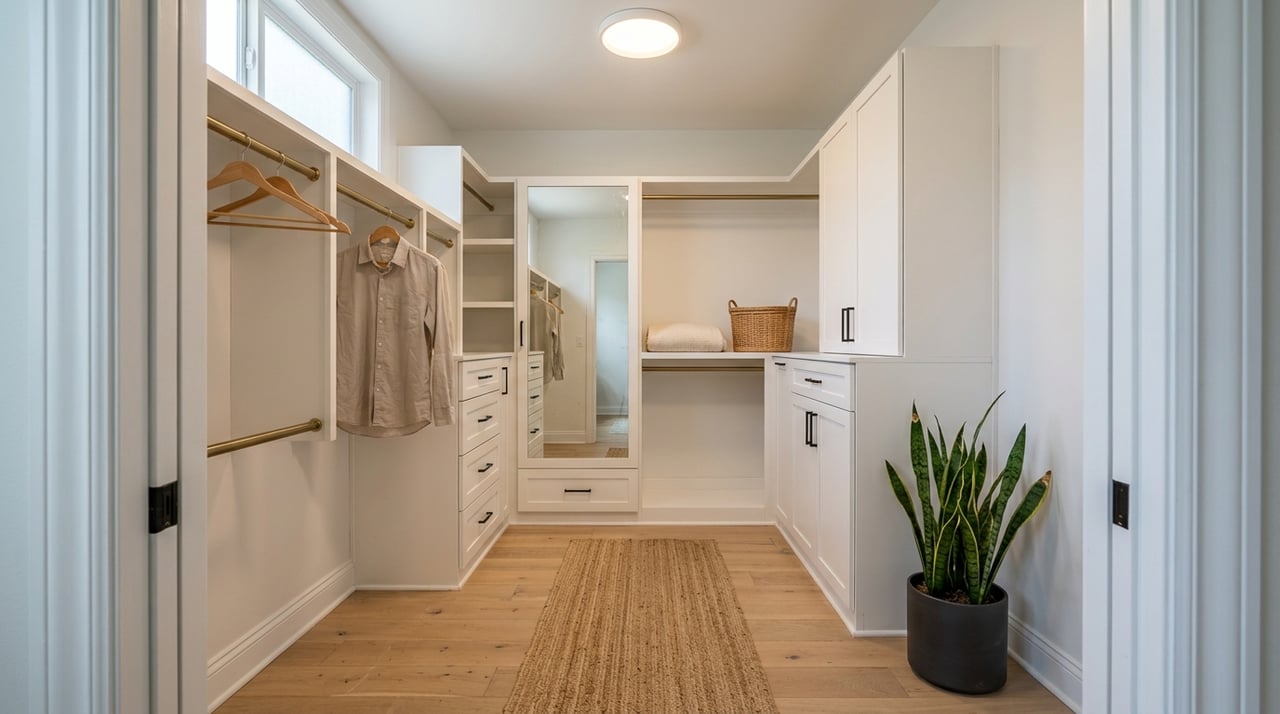
If you have lived in your Walnut home for many years, downsizing can feel like a big emotional and financial decision all at once. You may be thinking about less upkeep, easier daily living, or being closer to the routines that matter most, but you also want to protect the equity you worked hard to build. The good news is that a smooth downsizing move is possible with the right plan, the right timing, and a clear picture of what comes next. Let’s walk through it.
Why downsizing in Walnut is different
In Walnut, downsizing is often about more than getting rid of extra space. It is also about making a smart move with a home that may hold significant value after years of ownership. According to U.S. Census QuickFacts for Walnut, the city has an owner-occupied housing rate of 83.8%, a median owner-occupied home value of $1,014,000, and 24.0% of residents are age 65 and older.
That matters because many homeowners here are not making rushed decisions. The same Census data shows 91.7% of residents lived in the same house one year earlier, which points to a stable, long-tenured community. If that sounds like your situation, your move may be less about urgency and more about choosing a home that better fits this next chapter.
Walnut’s housing stock also supports that story. The city’s housing element reports that about 42% of housing units were built before 1980. For many owners, that can mean more maintenance, more stairs, or a layout that no longer feels as practical as it once did.
Focus on livability first
When you downsize, the best next home is not always the one with the lowest price. It is the one that makes day-to-day life easier. That usually means thinking ahead about mobility, upkeep, storage, parking, and how often you expect family or guests to visit.
For many Walnut homeowners, the most practical options may include:
- A smaller single-family home
- A condo with less exterior maintenance
- A townhome with a simpler layout
- A one-story home with limited stairs
The goal is to choose a home that solves future problems before they happen. If you already know yard work feels like too much, or stairs are becoming less comfortable, it helps to build those realities into your decision now instead of later.
Consider staying close to your routine
One of the biggest downsizing mistakes is focusing only on square footage. Your routine matters just as much. A smaller home can still feel like the right fit if it keeps you connected to the places and services you use regularly.
If you want to stay in Walnut, local support can make the transition feel less disruptive. The Walnut Senior Center offers classes, activities, excursions, special events, dine-in meals for adults 60+, and access to 2-1-1 for county health and human-service support.
The city also offers Dial-a-Cab through the Senior Center program, which provides discount rides for seniors or disabled residents. The program includes $1 one-way rides within the city and within 5 miles outside city limits for trips such as grocery runs, doctor or dentist visits, and travel to city facilities like the Senior Center.
These resources can help you think beyond the transaction itself. A successful move is not just about where you live. It is also about how easily you can rebuild your routine afterward.
Start decluttering earlier than you think
Most families underestimate how long decluttering will take. If you have lived in the same home for years, the process is rarely just physical. It is emotional too.
According to AARP’s decluttering guidance, it can take weeks or longer to sort through a larger home before a move. Their advice is simple and practical: go room by room, start with easy decisions, avoid a “maybe” pile, use a floor plan to decide what will fit, and ask family members for help when needed.
That advice works especially well for downsizing in Walnut. Instead of trying to do everything in one weekend, break the process into stages:
- Sort what you use and want to keep
- Donate items that no longer fit your next home
- Sell items with clear resale value
- Toss what is broken, expired, or unusable
- Pack only after your room plan is clear
If the process starts to feel overwhelming, AARP also suggests bringing in a professional organizer or senior move manager. That extra support can make a big difference when the move involves decades of belongings and strong memories.
Use a room plan before you pack
Before you reserve movers or buy more boxes, get clear on what will actually fit in the next home. This step can save you money, stress, and unnecessary last-minute decisions. It also helps family members support you in a more useful way.
A simple floor plan lets you answer practical questions early. Will the dining table fit? Is there enough storage for seasonal items? Do you need one guest room, or would a flexible office space work better?
This is where downsizing becomes more strategic and less reactive. Once you know the role of each room in the next home, it becomes much easier to decide what stays and what goes.
Give yourself more time to sell
Timing is one of the biggest concerns for downsizing homeowners. Many people worry about how to sell their current home and secure the next one without creating too much pressure. In Walnut, planning ahead matters.
According to Redfin market data for Walnut, the median sale price was $1.46 million in March 2026, with 11 homes sold and a median of 76 days on market. That does not mean your home will follow the exact same timeline, but it does suggest you should not assume an instant sale.
A realistic downsizing plan should leave room for:
- Home preparation
- Decluttering and packing
- Marketing time
- Offer review and negotiation
- The search for a replacement home
- Possible temporary housing if needed
The smoother path is usually the one that gives you options. When you build in more time, you reduce the pressure to make rushed decisions on price, repairs, or your next purchase.
Understand the sell-first or buy-first choice
For many 55+ homeowners, this is the question that keeps them up at night. Should you sell first and then buy? Or buy first so you can move once and avoid a temporary stop in between? The best answer depends on your cash flow, comfort level, and tax planning.
California’s Proposition 19 information from the Board of Equalization is especially important here. Eligible homeowners may transfer their base-year value up to three times. The replacement home can be purchased before or after the original home is sold, but if you buy the replacement first, you pay property taxes based on the replacement home’s full fair market value until the original home sells, and there is no refund for that period.
The Board of Equalization also notes that the claim is filed after both transactions are complete and after you are living in the replacement home, not through escrow. The original property must be your principal residence, and if the replacement home is higher in value, the difference is added to the taxable value.
This is why downsizing should be planned as both a housing decision and a financial decision. In some cases, selling first creates more clarity. In others, buying first may feel worth it if you can comfortably carry the timing and tax impact.
Build a move plan around your real life
Every downsizing move has its own moving parts. Some homeowners are thinking mostly about maintenance. Others are balancing caregiving, health appointments, family coordination, or the emotional challenge of leaving a long-time home.
A good plan should reflect your actual life, not a generic checklist. That might mean spacing out decluttering over several months, choosing a one-story layout, or discussing whether a traditional listing or a simpler as-is option better fits your timeline.
The most important thing is to avoid making the whole move feel like one giant decision. Break it into smaller steps. First define your next-home needs, then map the sale timeline, then work through the belongings one room at a time.
Protect equity while reducing stress
In a market like Walnut, your home may represent a large part of your financial picture. That is why downsizing should not feel like just “getting rid of a house.” It should feel like making a thoughtful decision that protects your equity and supports your daily life.
With Walnut’s high ownership rates, long-term residency patterns, and aging housing stock, many homeowners are in a similar position. You may love your home and still know it is time for something easier. Both things can be true at once.
If you are starting to think through a downsizing move in Walnut, the best next step is a calm, step-by-step conversation about your options, timing, and what kind of sale path makes the most sense for your situation. You can schedule a free consultation with Christian Briseno to build a plan that fits your goals.
FAQs
What makes downsizing in Walnut different from other moves?
- Downsizing in Walnut is often tied to long-term homeownership, significant equity, and the need for easier day-to-day living rather than simply wanting less space.
What type of home should you look for when downsizing in Walnut?
- The best fit is usually a home that is easier to maintain and live in long term, such as a smaller single-family home, condo, townhome, or one-story home with fewer stairs.
How early should you start decluttering before a downsizing move?
- It is wise to start weeks or even months ahead, especially if you have lived in your home for many years and need time to sort belongings room by room.
What local support is available for seniors in Walnut during a move?
- Walnut offers support through the Senior Center, including activities, meals, and access to services, plus Dial-a-Cab for low-cost rides to errands, appointments, and city facilities.
What should Walnut homeowners know about Proposition 19 when downsizing?
- Eligible homeowners may be able to transfer their base-year value up to three times, but the timing of buying and selling can affect temporary property tax costs, so planning matters.
How long should you expect a Walnut downsizing sale to take?
- Market timing varies, but recent Walnut data showing a median of 76 days on market suggests it is smart to allow enough time for preparation, marketing, and finding the right replacement home.