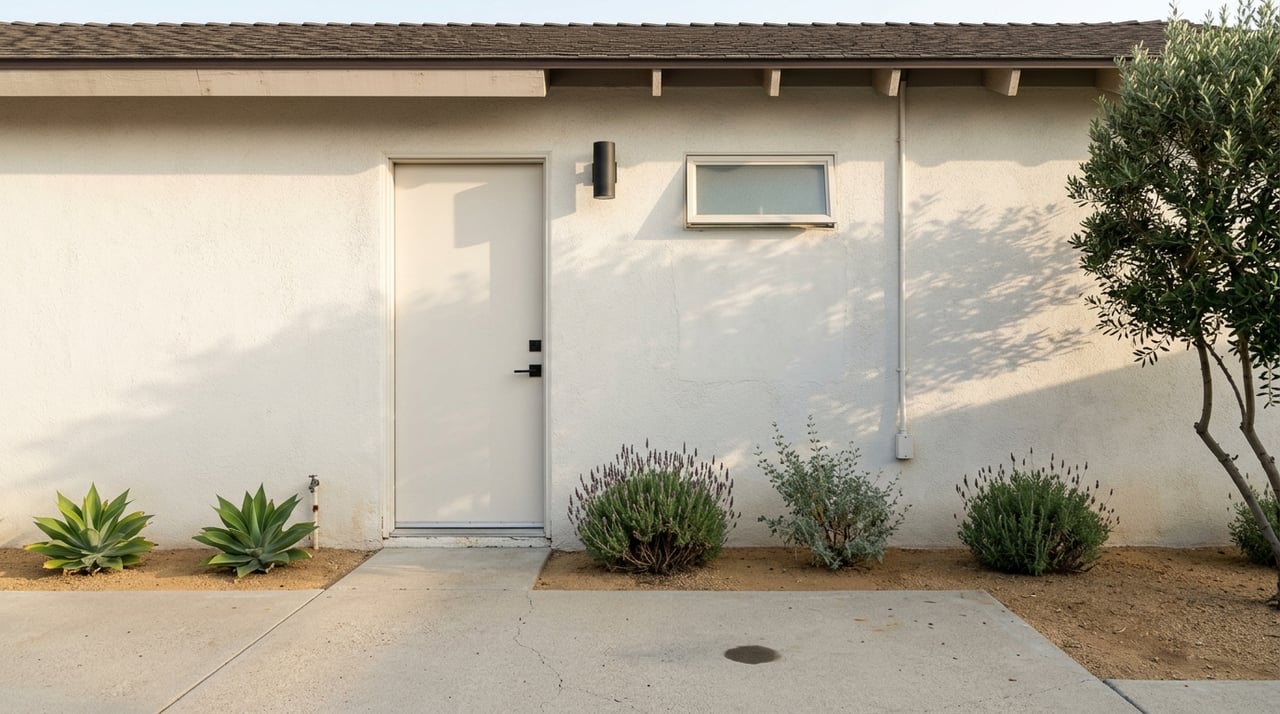
If you are thinking about selling your Glendora home, one question can shape everything that comes next: should you fix it up first or sell it as-is? That choice matters even more in a market where buyers move fast, but still notice condition, pricing, and presentation. In this guide, you will learn how to weigh repairs, timing, stress, and potential return so you can choose the path that fits your goals. Let’s dive in.
What the Glendora market means for sellers
Glendora remains a relatively active, higher-price market. Recent market snapshots show homes can move quickly, with Redfin reporting homes selling in about 41 days on average over the three months ending April 2026, while Zillow shows homes going pending in around 17 days as of April 30, 2026.
Those numbers measure different points in the sale process, but they point to the same big takeaway. Buyers are active, yet pricing and presentation still matter. That is especially important in a market where Redfin also reported that 23.6% of Glendora homes had price drops.
Glendora also has an older housing stock. The city reports that the median year structure built is 1964, with the largest share of homes built in the 1950s, and most housing units are one-unit detached homes. In practical terms, that means visible wear, outdated finishes, and deferred maintenance may stand out more to buyers.
When fixing first may make sense
If your home is in generally solid shape and most of the needed work is cosmetic, preparing it before listing may help you compete more effectively. In a competitive market, buyers often respond well to homes that look clean, cared for, and move-in ready.
National staging and remodeling research supports a focused approach rather than a full overhaul. According to the National Association of Realtors' 2025 staging research, 83% of buyers’ agents said staging made it easier for buyers to visualize a property. The same research found that 29% of sellers’ agents said staging increased the dollar value offered by 1% to 10%.
That does not mean you need a major remodel. In fact, the most common pre-listing recommendations were decluttering, cleaning, and improving curb appeal. These are often the updates that help photos look better, showings feel stronger, and buyer objections stay lower.
Repairs that may offer practical value
For many Glendora sellers, the best pre-listing work is simple and visible. A selective plan may include:
- Deep cleaning
- Decluttering rooms and storage areas
- Touch-up or full interior paint
- Basic landscaping or curb appeal improvements
- Fixing obvious deferred maintenance
- Replacing or refreshing an older front door if needed
The 2025 Remodeling Impact Report found strong resale cost recovery for certain practical improvements. A new steel front door had reported cost recovery of 100%, while a new fiberglass front door came in at 80%.
The same report also noted that real estate professionals often recommend painting the entire home, painting one room, and new roofing before selling. That does not mean every house needs all of those updates. It means broad-appeal improvements tend to make more sense than expensive custom projects.
When major remodels may not be worth it
Large renovation projects can create delays, permit questions, and budget surprises. If you are already balancing a move, family needs, or a tight timeline, a major remodel may add stress without giving you the outcome you want.
In many cases, you do not need to make your home perfect to sell successfully. You just need to reduce the issues buyers will notice first in photos, during showings, or in inspections.
What selling as-is really means in California
Selling as-is can sound simple, but it is important to understand what it does and does not mean. In California, selling as-is does not remove your disclosure responsibilities.
The California Department of Real Estate says sellers of one-to-four unit residential property must provide a Transfer Disclosure Statement before transfer of title. The form covers the physical condition of the property and potential hazards or defects, and it is not a warranty or a substitute for inspections.
If applicable, natural hazard disclosures may also be required. The California Geological Survey says mapped seismic hazard zone facts and other state and federal natural-hazard disclosures must be disclosed when they apply to the property.
So what does as-is actually mean? It generally means you are not agreeing upfront to make repairs, but you still have to disclose known material facts and property conditions as required.
Can buyers still inspect an as-is home?
Yes. Buyers can still inspect an as-is property, and inspection findings can still affect negotiations if the contract allows for it. That means visible condition issues may still influence leverage, credits, or even whether a buyer decides to move forward.
This is why as-is does not always mean effortless. You may avoid doing repairs before listing, but buyers can still react to the home’s condition once they see it in person or review inspection results.
When selling as-is may be the better fit
Selling as-is may make sense if the home needs significant work or if your main priority is speed and simplicity. It can also be a strong option if you do not want to coordinate contractors, manage repairs, or prepare the home for multiple showings.
This path can be especially helpful in time-sensitive situations. If you are dealing with probate, divorce, relocation, senior moves, notice of default concerns, or a property with years of deferred maintenance, reducing friction may matter more than chasing the highest possible headline price.
A traditional as-is listing on the open market is one route. Another is a direct-buy or cash-offer path. According to NAR, direct buyers often use cash and may close in days rather than the 30 to 45 days that are more typical with a traditional route, but they usually offer below what a home might sell for on the open market and may charge a convenience fee at closing.
A middle-ground strategy often works best
For many homeowners in Glendora, the smartest answer is not fully fix or fully as-is. It is a middle-ground strategy.
This approach usually means handling the easy, high-visibility items while skipping larger projects that take too much time or money. You improve the home enough to attract stronger interest, but you do not overinvest.
A practical middle-ground checklist
Consider this balanced pre-listing plan:
- Clean the home thoroughly
- Remove clutter and personal overflow
- Refresh paint where needed
- Improve curb appeal
- Fix obvious issues buyers will notice right away
- Leave larger repairs for negotiation if needed
This strategy can help your home show better online and in person while keeping your prep timeline realistic. In some cases, offering a credit toward closing costs may be more practical than completing a larger repair before closing.
Don’t forget permits and repair records
If you are thinking about doing bigger work before listing, check the permit side first. In Glendora, the Building and Safety Division handles plan review, permits, inspections, and enforcement, and the city says it aims to provide next-day inspections through its Civic Access portal.
That makes it smart to review permit history and documentation before starting any major project. Clean records and completed inspections can help reduce surprises later when buyers start asking questions.
How to decide which path fits you
If you are unsure whether to fix or sell as-is, start with your real goal. Are you trying to maximize sale price, reduce stress, move quickly, or avoid upfront cash spending? Your answer should shape the strategy.
Here is a simple way to think about it:
| If your priority is... | You may want to consider... |
|---|---|
| Getting the strongest market presentation | Cleaning, decluttering, paint, and minor repairs |
| Avoiding contractor coordination | Selling as-is |
| Moving on a tight timeline | As-is listing or cash/direct-buy discussion |
| Balancing price and convenience | A middle-ground prep plan |
| Reducing buyer objections | Handling visible cosmetic issues first |
The best choice is not the same for every seller. A home that only needs cosmetic work may benefit from some prep, while a home with major repairs may be better positioned as-is with the right pricing and expectations.
The real question is what outcome you want
In Glendora, you are not choosing between a right answer and a wrong one. You are choosing between different tradeoffs.
Fixing first may help you present the home better and reduce buyer pushback. Selling as-is may save time, lower stress, and help you move forward faster. A balanced strategy often gives you the best of both by improving what matters most without taking on more than you need.
If you want help comparing your options for your specific property, timeline, and goals, schedule a free consultation with Christian Briseno. He can walk you through a step-by-step plan, whether that means listing traditionally, selling as-is, or exploring a cash-offer conversation.
FAQs
Does selling as-is in Glendora remove disclosure requirements?
- No. In California, selling as-is does not remove the seller’s duty to provide required disclosures, including the Transfer Disclosure Statement for covered residential properties.
Can buyers inspect an as-is home in Glendora?
- Yes. Buyers can still order inspections, and inspection results can still affect negotiations or the buyer’s decision if the contract allows it.
Should you make repairs before selling a home in Glendora?
- It depends on the home’s condition, your timeline, and your goals. If the needed work is mostly cosmetic, selective updates like cleaning, decluttering, paint, and curb appeal may help.
Are cash offers always better for Glendora sellers?
- Not necessarily. Cash or direct-buy options may offer more speed and convenience, but they often come with a lower price and may include a convenience fee.
What repairs usually matter most before listing a Glendora home?
- Broad-appeal improvements usually matter most, such as cleaning, decluttering, paint, curb appeal, and fixing obvious visible issues.
Do you need permits for major repair work before selling in Glendora?
- For larger projects, you may need permits and inspections through Glendora’s Building and Safety Division, so it is wise to check permit history and requirements before starting work.